
The Five Jambhalas are yellow, black, white, green, and red forms of Jambhala, a wealth deity in Vajrayana Buddhism (金刚乘佛教). Together, they are often called the Five-Colored Jambhalas or the Five Wealth Gods in English. Their imagery carries wishes for abundance, generous living, protected resources, and the fortunate conditions that help a meaningful life unfold.
Color offers a welcoming way into the tradition, but it is not a rigid code in which each shade guarantees one result. Different texts and lineages preserve different forms. The most beautiful way to approach them is to notice what the image holds—fruit, jewels, a treasure-bearing mongoose, a royal posture, or a powerful expression—and then consider the larger wish: may there be enough to live well, share freely, support loved ones, and meet opportunity with wisdom.
Who is Jambhala?
Jambhala is a Buddhist deity of wealth and abundance. In Himalayan art, he may appear richly adorned, broad-bodied, peaceful, royal, or forceful. Many familiar images show him holding a citrus-like fruit and a mongoose that pours jewels. The fruit evokes nourishment and wellbeing; the flowing jewels make prosperity visible as something that can move, circulate, and be shared.
His presence speaks to more than personal income. Within Buddhist cultures, resources can sustain family life, hospitality, study, community, art, temples, generosity, and compassionate action. A Jambhala image can therefore carry a wish for both material sufficiency and a generous heart—the hope that good fortune will become a source of stability and benefit for others.

What are the Five Jambhalas?
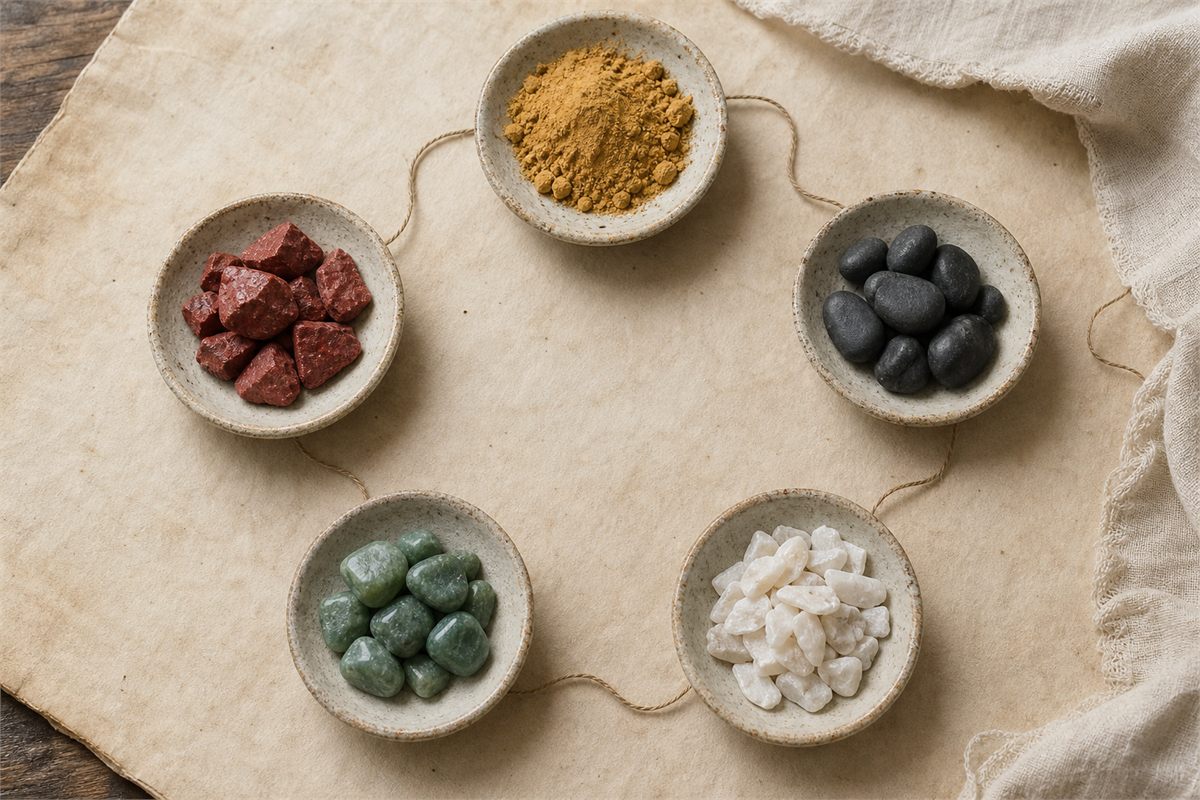
The five principal colors commonly listed in Himalayan art resources are yellow, black, white, green, and red. Yellow and black forms are especially familiar, while red, white, and green forms appear in their own textual and artistic traditions. The table below offers a gentle orientation rather than a universal formula.
| Form | How it may appear | The wish it can carry |
|---|---|---|
| Yellow Jambhala | Royal and abundant, often with fruit and a jewel-pouring mongoose | Sufficiency, generosity, steady prosperity, and the resources to support a good life |
| Black Jambhala | Powerful or wrathful, with a compact and energetic presence | Courage through difficulty, protection of resources, and strength to move beyond obstacles |
| White Jambhala | White-bodied and sometimes dynamic; details vary by transmission | Peaceful abundance, clarity, compassionate support, and relief from constricting circumstances |
| Green Jambhala | A less common form associated with specific textual traditions | Growth, auspicious activity, new possibility, and progress toward worthy aims |
| Red Jambhala | May be semi-peaceful or forceful, with several distinct forms | Warmth, connection, supportive relationships, opportunity, and flourishing shared life |
These meanings reflect broad devotional and contemporary cultural readings. They should not be used to identify an artwork by color alone. A specific image belongs to its own lineage, composition, and iconographic story.
The meaning of each color form
Yellow Jambhala: abundance that can be shared
Yellow Jambhala is the form many people meet first. His rounded body, ornaments, fruit, and jewel-bearing mongoose create an immediate sense of fullness. Rather than depicting wealth locked away, the jewels pour outward. This makes yellow Jambhala a warm image for welcoming steady resources, an open hand, and the confidence to care for both present needs and future hopes.

Someone may choose this image when beginning a business, building a home, entering a new stage of work, or wishing a loved one a life with enough room to breathe and give. It carries a hope for prosperity guided by generosity, gratitude, and good judgment.
Black Jambhala: strength in demanding seasons
Black Jambhala is often shown with a wrathful expression. In Vajrayana art, such intensity can express focused power—the energy to confront obstacles rather than surrender to them. His form can carry a wish for resilience, guarded resources, and renewed movement when life or work feels constrained.
Its emotional meaning is steady and human: the courage to meet uncertainty, protect what matters, and keep working toward a more secure and abundant life.
White Jambhala: compassionate and peaceful abundance
White Jambhala belongs to particular transmission histories, and his posture and attributes may differ from one image to another. As a color of clarity and peaceful presence, white invites a reading of abundance joined with compassion—the wish that hardship may ease and that support may arrive in a form that restores dignity, calm, and possibility.

Green Jambhala: growth and auspicious activity
Green Jambhala is less frequently seen in many collections and is associated with specific textual contexts. Green naturally suggests living growth and forward motion. For a modern admirer, the image can accompany hopes for fruitful work, new opportunity, and the energy to bring a worthy plan into being.
Red Jambhala: connection and flourishing together
Red Jambhala appears in several distinct forms, so no single list of implements describes every image. Red brings warmth, vitality, and relationship into the wider theme of wealth. It can carry a wish for supportive connections, generous collaboration, welcome opportunities, and prosperity that strengthens family and community rather than isolating the individual.

How to recognize Jambhala in Buddhist art
Begin with color, then look at the whole composition. Age, lighting, restoration, and photography can change how pigments appear, so the body color is only the first clue.
- Mongoose and jewels: a treasure-pouring mongoose is among Jambhala’s best-known attributes. Museum interpretation connects the mongoose with prosperity overcoming the constriction of greed.
- Fruit and nourishment: a citrus-like fruit appears in familiar forms and carries a sense of wellbeing, sustenance, and life supported by sufficient resources.
- Expression and posture: royal ease, a peaceful gaze, or a wrathful stance changes the emotional force of the image.
- Hands, heads, companions, and retinue: these details help distinguish one textual form from another, especially among red, white, green, and black examples.
- Placement: a smaller Jambhala beneath a central Buddha participates in a larger sacred composition; scale and position are part of the story.

When a precise identification matters, look for a museum record, an inscription, or guidance connected to the artwork’s lineage. Respectful looking begins with what is actually visible instead of forcing every image into a popular online chart.
Jambhala, Kubera, and Vaishravana
Jambhala is historically connected with Kubera, an older South Asian deity of wealth. Buddhist sources sometimes equate Jambhala with Kubera in particular contexts. Vaishravana is the Buddhist guardian king of the north and is also associated with wealth and treasure imagery. Their histories and attributes overlap, but the names are not automatic substitutes in every artwork.

Ratnasambhava, the Buddha of the jewel family, also belongs to this visual world of giving and abundance. A fourteenth-century Himalayan painting now held by the Rubin Museum places five Jambhala forms beneath Ratnasambhava, offering a beautiful image of wealth held within a larger field of generosity and awakened purpose.
Are the Five Jambhalas the same as the Chinese Five Wealth Gods?
No. The English phrases “Five Wealth Gods” and “Five Gods of Wealth” can point to two different cultural systems. The Five Jambhalas belong to Vajrayana Buddhist traditions and are commonly introduced through five principal colors. The Chinese Five Directions Wealth Gods (五路财神) belong to Han folk, Daoist, temple, and literary traditions that vary by region and community.
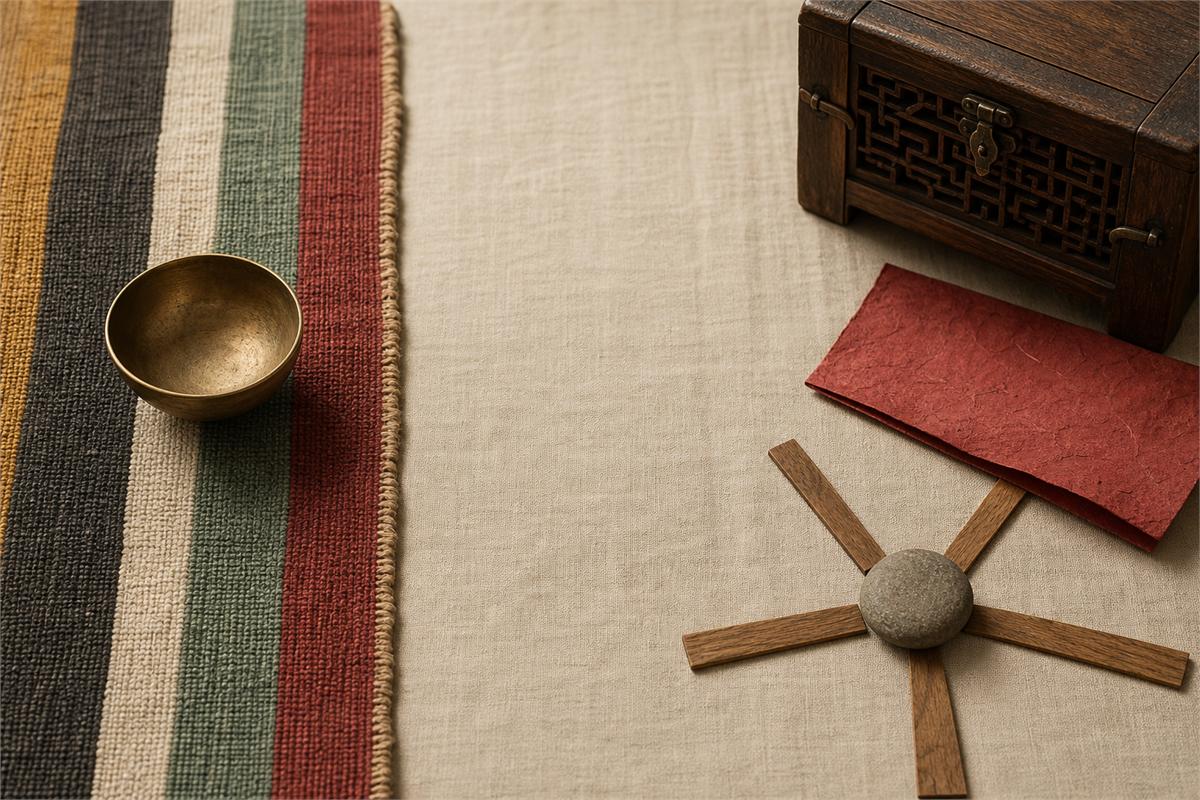
In Chinese popular culture, “five directions” evokes wealth arriving from east, west, south, north, and center. Some familiar groupings draw on figures associated with Zhao Gongming and later literary or local traditions, while other temples preserve different identities. There is no need to merge these figures with the Five-Colored Jambhalas. Both traditions can carry wishes for prosperity and fortunate opportunity while keeping their own names, stories, and devotional settings.
What wealth means in the Jambhala tradition
Jambhala imagery invites a richer idea of prosperity: enough food and shelter, supportive opportunity, the freedom to learn, the means to care for family, and the ability to give. Wealth becomes a current that can nourish a life rather than a number that exists only to be accumulated.

This is why generosity sits so naturally beside abundance. A Jambhala statue, print, pendant, or meaningful collectible may be chosen to welcome good fortune, protect a hopeful beginning, or honor a milestone in work and family life. It serves as a medium through which people hope to bring about prosperity, stability, generosity, and the future they are working toward.
Choosing a Jambhala image with respect
Choose first by connection. Notice which image feels like the wish you want to hold close: calm sufficiency, courage during change, growing opportunity, compassionate support, or flourishing relationships. Then learn what you can about the specific form and artist.

- Read the object description and look for the precise deity name.
- Compare color with posture, hands, fruit, mongoose, companions, and surrounding figures.
- Prefer sellers and collections that ground their descriptions in visible form and cultural context.
- For devotional practice, follow the guidance of your own qualified teacher or community.
- For a gift, share the wish behind the image: sufficient resources, wise stewardship, generous living, and a fortunate path ahead.
Explore Eastern Story’s Blessing collection for meaningful objects chosen to welcome good fortune, protection, and fulfillment. You can also visit the Story library for more cultural symbolism, or read the jade Buddha color guide for another gentle introduction to color and form in Buddhist-inspired objects.
A wish for abundant and generous living
The Five Jambhalas offer five vivid doorways into one enduring hope: may life hold enough resources, protection, opportunity, and generous connection to flourish. Their colors make the subject memorable, while their deeper beauty lies in the relationship between receiving and giving. Whether encountered in sacred art or chosen as a meaningful companion, Jambhala carries a wish for prosperity with purpose—a life in which abundance can be welcomed, cared for, and shared.

Frequently Asked Questions
Related Posts


