
The Eight White Star, Ba Bai Zuo Fu (八白左辅星), represents Earth, mountain-like steadiness, accumulated prosperity, and the wish for a secure home in Xuan Kong Flying Star feng shui. Its image is reassuring: a life with firm foundations, work that bears fruit, and something lasting to share with the people you love. Associated with the Gen trigram and the northeast in the traditional base arrangement, Eight White was the ruling star of Period 8 and takes a different role in Period 9.
A new home, a meaningful career milestone, or years of patient effort can all make this symbolism feel personal. Eight White speaks to the hope that what you build will endure. Understanding its name, time cycles, and changing chart positions lets you enjoy that story without confusing several different traditions.
What is the Eight White Star?
Eight White belongs to Xuan Kong Flying Stars (玄空飞星), a branch of feng shui that arranges nine numbered stars across a chart of directions and interprets them through time. “Star” here names a traditional symbolic category. Ba Bai means “Eight White,” while Zuo Fu means “Left Assistant.” You may also see the names 8 White Earth Star, Eight White Wealth Star, and Ba Bai star.
| Association | Meaning within the tradition |
|---|---|
| Full name | Ba Bai Zuo Fu (八白左辅星), Eight White Left Assistant |
| Number and element | Eight; Earth |
| Trigram | Gen (艮), the mountain |
| Base direction | Northeast in the Later Heaven trigram and Luo Shu arrangement |
| Prosperity themes | Steady accumulation, land, a settled home, and the fruits of sustained effort |
| Period 8 | The ruling or timely star in the period conventionally labeled 2004–2023 |
| Period 9 | A receding star after Nine Purple takes the ruling role; interpretation varies with the chart and school |
Ba Bai is distinct from Tai Bai (太白), a traditional name for the planet Venus. Their similar English translations can be confusing, but “Tai Bai wealth star” is not a clear name for Eight White. In this context, the nine-star chart is a cultural system for reading place and time, rather than a map of a planet moving over your home.
Earth and the mountain: why Eight White feels like a blessing for home
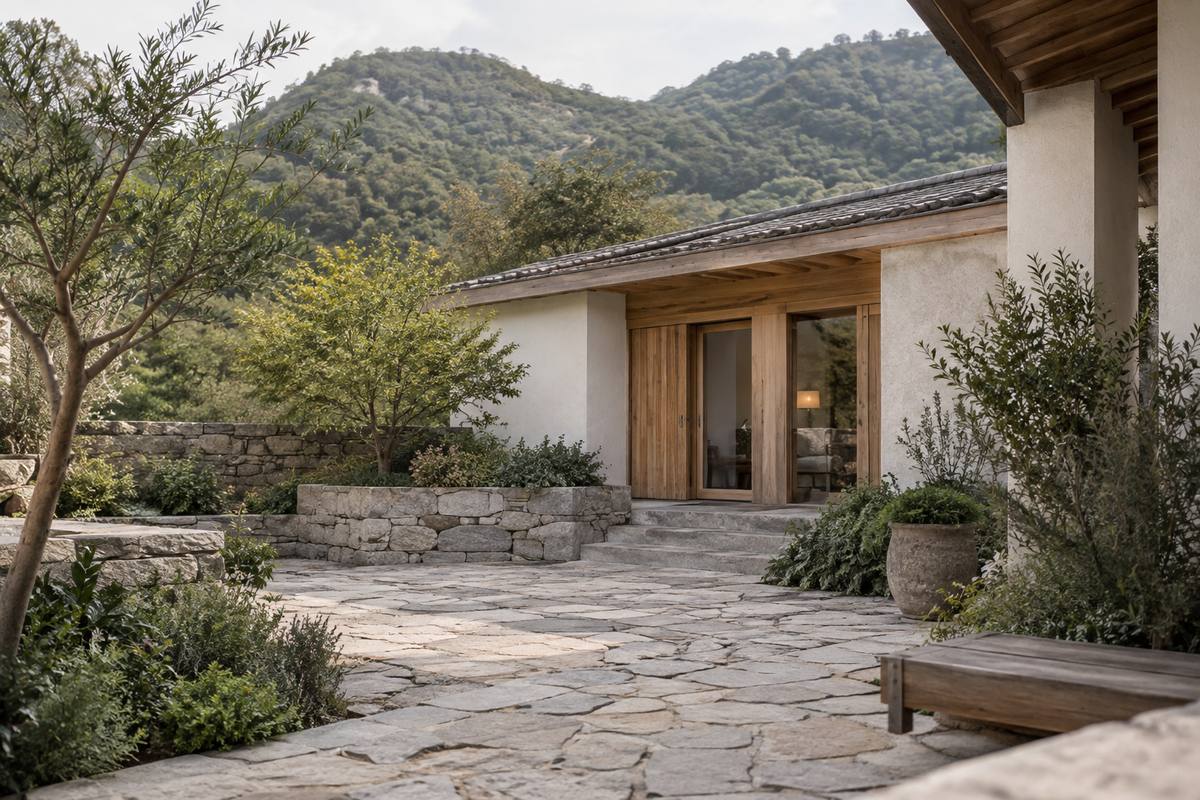
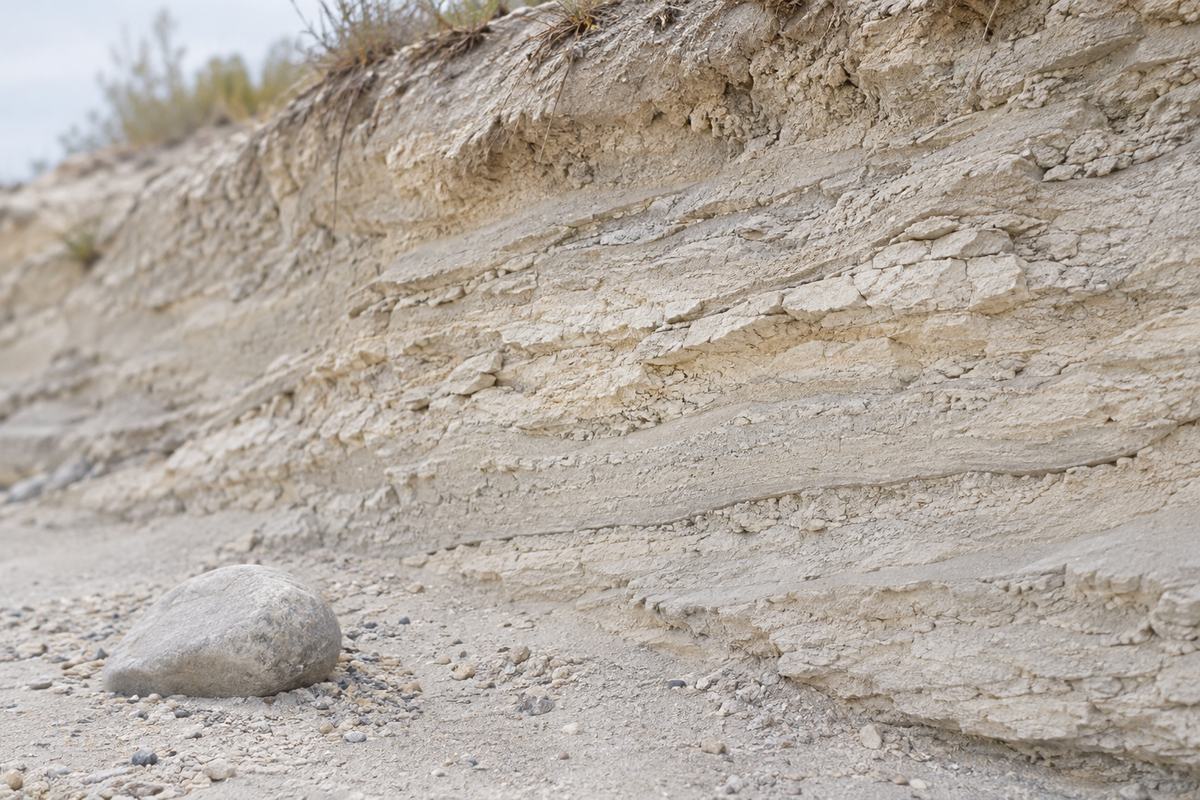
Gen (艮) evokes the mountain: a steady presence, a place to rest, and the wisdom of knowing when to pause. Its stillness is full of possibility. After the effort of climbing comes a moment to take in the view; after years of building a life comes the pleasure of feeling at home within it.

In the traditional family imagery of the eight trigrams, Gen is the youngest son, or shao nan (少男). Zhen is associated with the eldest son. These are correspondences within the trigram system. The broader blessing of a settled, flourishing household can be shared by anyone, whether they are beginning a family, moving somewhere new, or making a familiar home feel more welcoming.

Earth and mountain imagery helps explain Eight White’s links with land, buildings, keeping resources, and continuity between generations. A ceramic vessel, a mountain-shaped carving, or a treasured stone can carry a wish for roots and belonging. The emotional center is simple: may this home hold peace, may our efforts have somewhere to settle, and may there be enough to care for one another.
Wealth, accumulation, and the meaning of Zuo Fu
Eight White is often described as a star of zheng cai (正财), regular or steadily earned wealth. In popular interpretations, its prosperity has the character of a harvest gathered over time: work completed, resources kept, and a household made secure. This is why it is so closely connected with savings and home ownership in modern feng shui writing.

The “Assistant” in Zuo Fu also fits wishes for support, encouragement, and being helped along a worthwhile path. A gift inspired by this story may celebrate someone’s first home, the completion of a long project, or the quiet achievement of finding stability after a difficult period. The accompanying wish might be “May your efforts grow into lasting abundance.”

One White, Six White, and Eight White are often grouped together as three auspicious White Stars with wealth-related associations. Eight White’s distinctive contribution is the image of Earth and accumulation. The group name describes a traditional association; each star still has its own identity and its place within a changing chart.
Period 8 and Period 9: what changes, and what endures
The traditional system called San Yuan Jiu Yun (三元九运), “Three Cycles and Nine Periods,” organizes nine 20-year periods into three 60-year cycles, making a full 180-year sequence. These are the time divisions used by the tradition, not measured cycles of planetary control over the Earth.
| Time division | Common label | Eight White’s role |
|---|---|---|
| Period 8 | 2004–2023; Eight White Gen Earth | The timely or ruling prosperity star |
| Period 9 | 2024–2043; Nine Purple Li Fire | The previous period’s star, commonly described as receding or retiring |
These year ranges are convenient shorthand. In the widely used Li Chun convention, a period changes at the Beginning of Spring solar term in its opening year. Period 9 therefore runs from Li Chun in 2024 to Li Chun in 2044. January 1 and Lunar New Year are different calendar boundaries; neither should silently replace the convention used for a particular chart.
During Period 8, descriptions of Eight White gave special prominence to Earth, property, and established prosperity. In Period 9, Nine Purple becomes timely. You may encounter the word tui qi (退气), “receding qi,” for Eight White. Some practitioners continue to emphasize its recently prosperous qualities, while others treat its new position more cautiously. A full reading considers the other stars, the building, and its surroundings.
For someone drawn to the cultural meaning, the mountain still offers a warm image of continuity. Eight White can accompany a wish to cherish what has been built and carry strong foundations into a new chapter. Decisions about buying a home, borrowing, or investing call for an assessment of your finances and the property itself; a period label is a different kind of information.

Northeast, the annual star, and a home’s own chart
The apparent contradiction between “Eight White is northeast” and “Eight White moves every year” comes from reading different layers as if they were one. The base arrangement associates eight with Gen in the northeast. A Flying Star chart then places the numbers according to a particular calculation.
| Layer | What the position tells you |
|---|---|
| Base correspondence | Eight, Gen, Earth, and northeast belong together in the Later Heaven and Luo Shu framework. |
| Natal building chart | A building’s period and compass orientation are used to derive its chart, including mountain and facing stars. |
| Annual chart | A shared yearly arrangement adds a temporary layer to the building chart. |
| Monthly chart | A shorter time layer is read alongside the annual and natal arrangements. |
A personal Ming Gua (命卦) number or a Nine Star Ki personal number belongs to another calculation. It cannot simply be substituted for the star in a room. For a house reading, useful starting details include the building’s completion and occupancy history, significant renovations, a measured facing direction, a floor plan, and the way each room is used. Ask which dates and orientation method the practitioner has adopted.

Where is the Eight White Star in 2026?
In the 2026 annual Flying Star chart, Eight White is in the east, with One White in the center. Starting from one in the center and following the standard forward flight through northwest, west, northeast, south, north, southwest, east, and southeast places eight in the east. This is the annual location, distinct from Eight White’s northeast base correspondence. The 2026 feng shui wealth-position guide explains the wider annual arrangement.
Under the Li Chun convention, this annual chart begins at the Beginning of Spring solar term. In 2026 that occurs on February 4 at 04:02 Hong Kong time (UTC+8); the corresponding local date and time depend on your time zone. January and the days before that transition belong to the preceding annual chart in this method. A calendar caption that says “2026” should therefore be read with its stated year boundary.
An east-facing window, an east room, and the facing star in a natal chart are different things. Annual Eight White in the east does not provide the full reading for every east room. If you enjoy marking the season, a clean, comfortable east area with a modest meaningful object can be a pleasant way to welcome wishes for stability and abundance.

Five Elements, color, and thoughtful decoration
In the Five Elements tradition (五行, Wu Xing), Eight White belongs to Earth. Fire generates Earth, Wood controls Earth, and Earth controls Water. The east is associated with Zhen and Wood. Some practitioners describe a Wood–Fire–Earth sequence as a way of mediating the relationship between the eastern palace and Eight White.
That symbolic sequence explains why red or purple accents sometimes appear alongside warm earth tones in Eight White arrangements. A small red detail, a cream ceramic bowl, or a soft ochre textile can make a room feel welcoming. Choose a restrained combination that you enjoy seeing every day. A room full of bright objects is unnecessary for a heartfelt wish.

Colors, plants, and an aquarium each belong within the room’s actual use and a fuller interpretation. A healthy plant need not become a source of anxiety because of an annual chart. If you use a lamp, turn it on when useful and follow normal electrical precautions; an always-on lamp or unattended flame is unnecessary.
Eight White, mountains, and mountain stars
The connection with Gen gives Eight White mountain symbolism, but mountain star (山星) is also a specific role in a natal Flying Star chart. A number eight can occur as a mountain star, a facing or water star (向星), or an annual star. The role comes from the calculation and should be identified before interpreting it.
The traditional saying “mountains govern people, water governs wealth” belongs to the language of landform and chart relationships. Landform observation, often called luan tou (峦头), considers the surrounding landscape and built forms. Li qi (理气) concerns directional and time-based interpretation. Practitioners combine these when considering hills, buildings, roads, openings, and the dwelling’s sitting and facing.
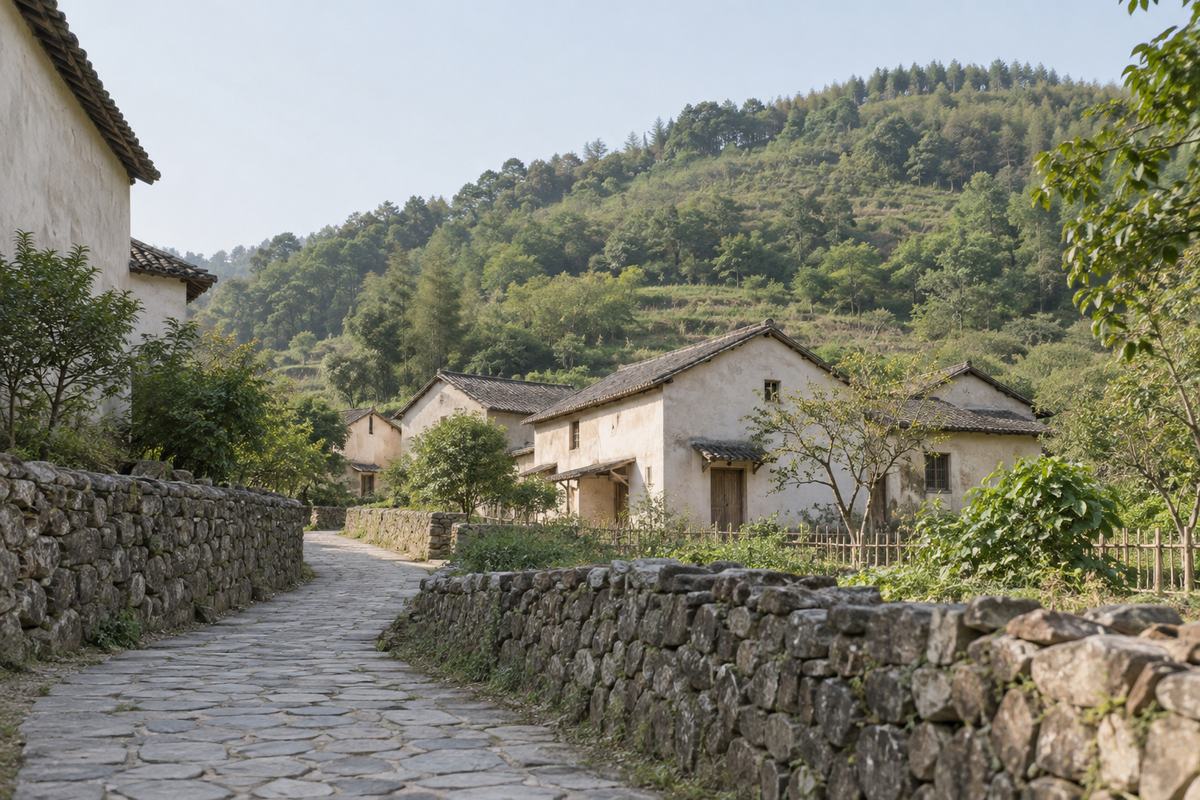
A gentle mountain silhouette can make a beautiful image of shelter and support. In a technical reading, however, simply seeing a tall building near the annual eight is insufficient to establish a favorable combination. Terms such as wang shan wang xiang (旺山旺向), often translated as prosperous mountain and facing, refer to configurations of a complete chart and its setting.
For a home inspired by the mountain’s steadiness, keep paths clear and display objects securely. A modest carving or landscape image can carry the feeling without adding heavy stones, blocking an exit, or changing a load-bearing wall. Renovations and necessary repairs should follow the building’s real condition and professional safety guidance.

Objects that carry wishes for lasting prosperity
A meaningful object gives the story a place in everyday life. Choose one because its form, color, or message speaks to your hopes for home and family.
A ceramic vessel suggests gathering and keeping. The treasure bowl, ju bao pen (聚宝盆), carries a familiar wish for abundance to collect and remain. Citrine (黄水晶) brings a golden warmth to contemporary prosperity displays, while a Chinese knot (中国结) expresses connection and good wishes. These objects have their own stories as well as a place within modern Eight White symbolism.

Pixiu (貔貅) is another well-loved figure associated with welcoming and safeguarding wealth. A small Pixiu carving or a mountain motif can suit someone who values the idea of lasting foundations. The meaning becomes especially personal when you connect it with the recipient’s own milestone: a new address, a long-awaited fresh start, or a project brought patiently to completion.
For something worn close, a feng shui bracelet can carry a wish for steady prosperity and supportive energy. A number-eight motif may also appeal, although the broader auspicious symbolism of eight and the technical Eight White chart star are distinct traditions. There is no need to arrange exactly eight objects to express the blessing.
A gift note can make the intention clear: “May this new home hold peace, warmth, and lasting abundance.” The phrase ping an ru yi (平安如意), a wish for peace and for life to unfold as hoped, fits a housewarming or a new beginning especially well.
Welcoming steadiness into everyday life
Eight White’s “stillness” is an image of composure, not a demand to stop using part of the home. An entrance should welcome people, a study should support attention, and a bedroom should invite rest. Let the room work comfortably for the people who live there. Orderly storage, space to move, natural light where available, and a cherished object can give that wish a quiet presence.

You might mark a completed project by clearing your desk and placing a meaningful keepsake nearby. In a new home, choose a small ceramic piece that feels like belonging. In a shared household, make room for a family object whose story deserves to continue. These are gentle ways to celebrate the life you are building, one settled layer at a time.
Frequently Asked Questions
A wish for a life with strong roots
At the heart of Eight White is a generous hope: that effort finds its reward, a home becomes a place of belonging, and good things have time to take root. Explore the Blessing collection for objects and jewelry through which to welcome peace, prosperity, and a beautiful next chapter.

Related Posts


