
Omamori (お守り) are Japanese protective amulets received from Shinto shrines and Buddhist temples to invite blessings such as safe travel, good health, loving relationships, and success in study. Often small enough to rest in the palm of your hand, they carry a wish into everyday life: may you arrive safely, may your efforts bear fruit, may someone you love feel watched over.

A student might tuck one into a school bag before an important exam. A parent might choose one for a child leaving home. A friend might bring one back from Japan with a handwritten message. Understanding its inscription and the place it comes from helps you choose a blessing with care, carry it respectfully, and know what to do when it is time to give thanks.
What does omamori mean?
The Japanese word mamori (守り) means protection or guarding and is related to mamoru (守る), “to protect.” The o (お, also written 御) is an honorific prefix. “Protective amulet” is a useful English translation. Its sacred meaning comes from its place in religious practice and the blessing associated with it.
The familiar woven pouch may carry the name of its shrine or temple on one side and the intended blessing on the other. Knots, flowers, local emblems, and colors make each design distinctive. Start with the inscription when choosing: two pink pouches can carry different wishes, and the same blessing may be offered in several colors.
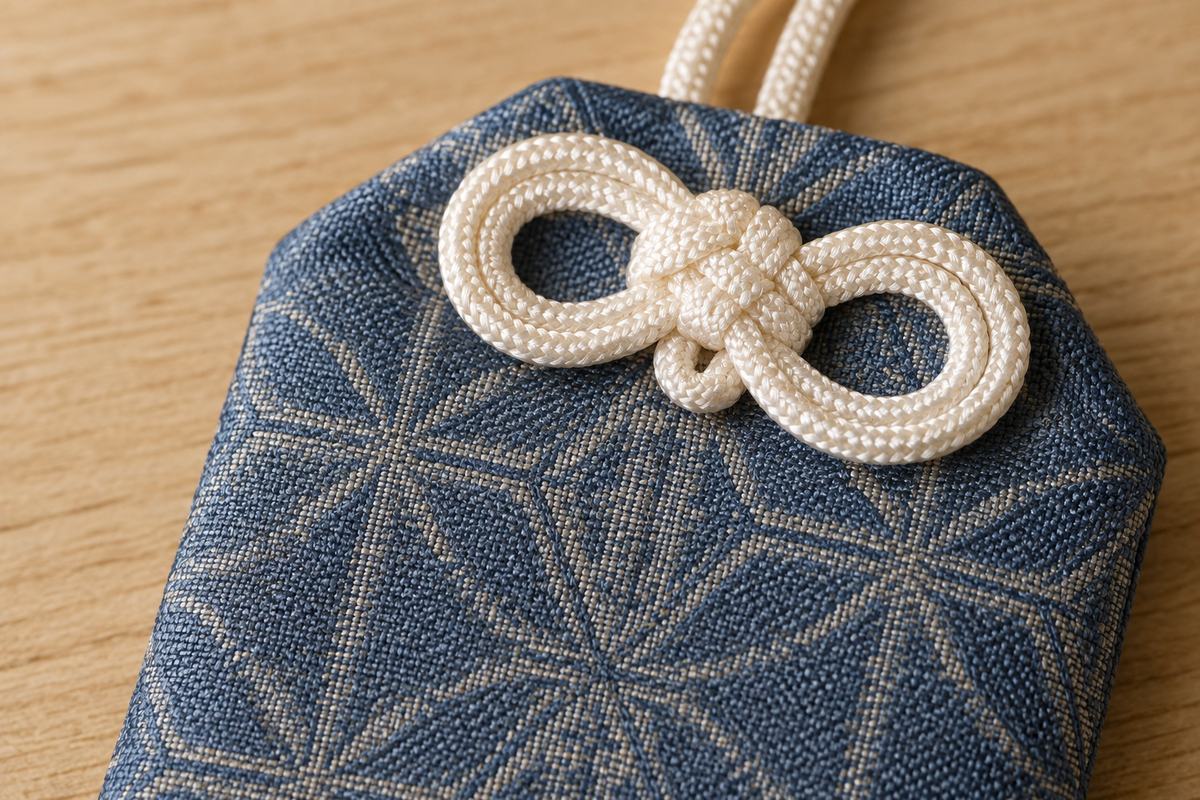
For someone receiving it as a gift, that small pouch can hold a much larger message: “I remembered what matters to you.” The wish may accompany a particular turning point, or simply express hope for peaceful, happy days.
The shrine and temple traditions behind omamori
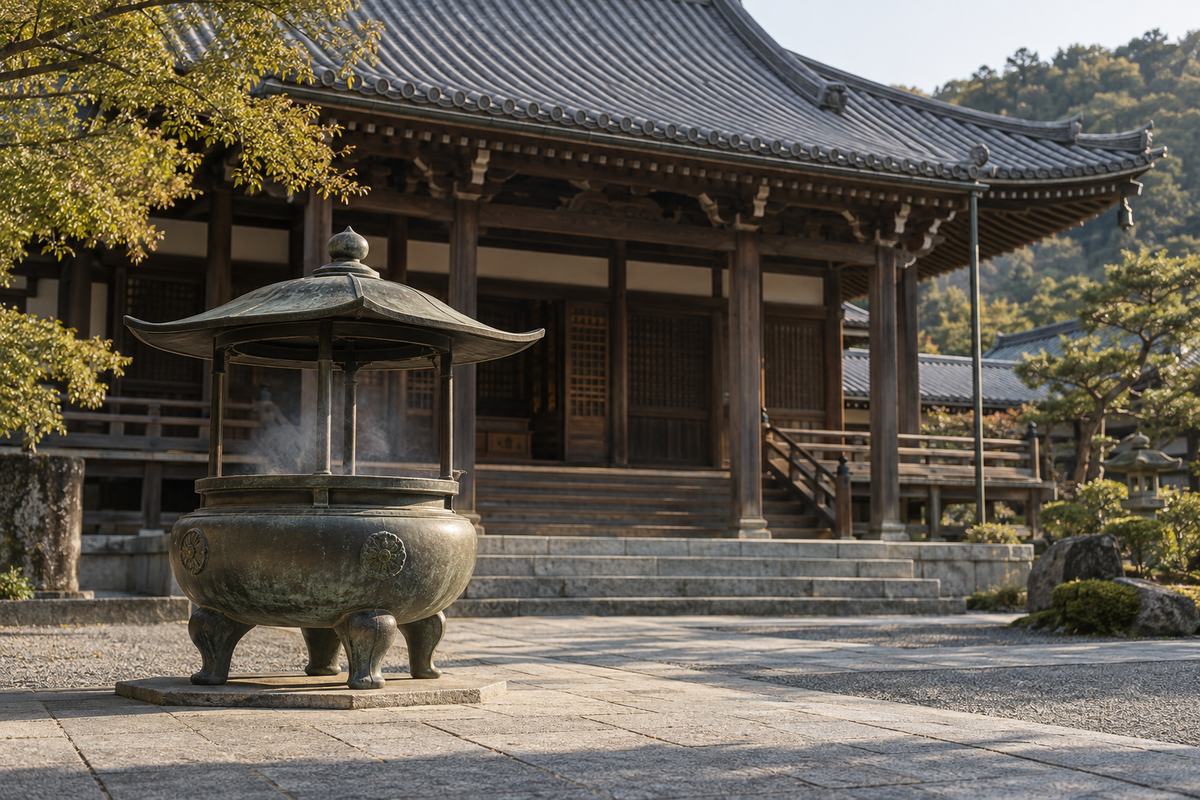
Omamori belong to Japan’s living traditions of prayer and protection. Shinto shrines honor kami (神), the sacred beings or presences of Shinto. Buddhist temples offer amulets within their own devotional traditions. Their histories have interacted over centuries, while individual places preserve distinctive prayers, designs, and ways of receiving sacred objects.
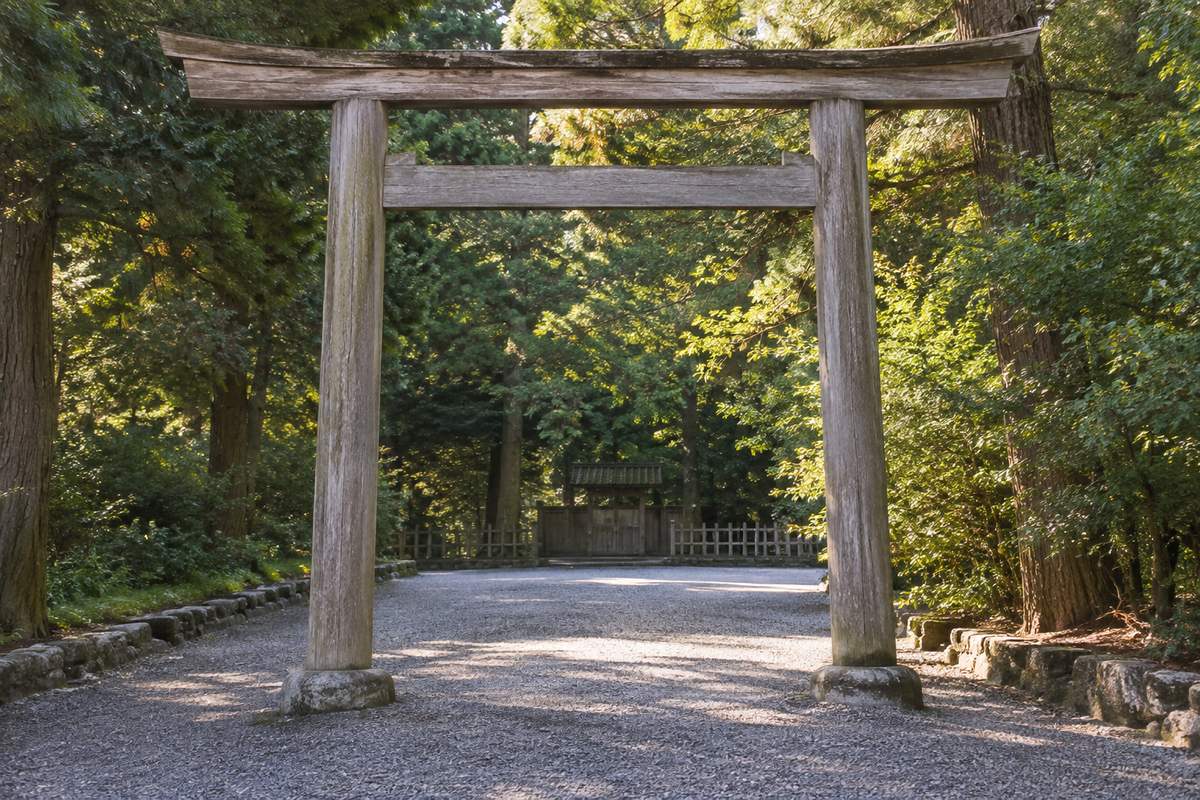
The setting matters. Meiji Jingu and Yasaka Jinja are Shinto shrines; Sensō-ji and Kiyomizu-dera are Buddhist temples. An amulet received on a visit carries a connection to that place as well as the wish named on it. A quiet moment of prayer, the path through the grounds, and the person you were thinking of can all become part of its personal story.
What is inside an omamori?
Many pouch-style omamori enclose a small sacred insert, such as paper or wood. The contents and religious preparation depend on the issuing institution and the particular amulet. Other forms include cards, exposed wooden charms, and specially shaped objects. Treat the form you receive according to its accompanying guidance, keeping a closed pouch intact.

A few neighboring terms help make sense of what you see at a shrine or temple. An ofuda (お札) is a sacred talisman, often intended to be enshrined at home. A gomagi (護摩木) is a wooden prayer stick offered in a Buddhist goma fire ritual. These have their own purposes; a prayer stick for the ritual fire is different from the omamori you carry home.
Common omamori types and the wishes they carry
Choose the wish first, then a design that feels right for you or your recipient. Names vary between institutions, so the label and official explanation are more useful than a universal color chart. These are common terms you may encounter.

| Wish | Japanese wording | A moment it can accompany |
|---|---|---|
| Everyday health | 健康 / kenkō; 身体健全 / shintai kenzen | A wish for well-being for yourself, a parent, or someone you love. |
| Recovery from illness | 病気平癒 / byōki heiyu | A tender expression of care for someone going through illness or recovery. |
| Study and learning | 学業成就 / gakugyō jōju | A new school term, sustained study, or a personal learning goal. |
| Passing an exam | 合格 / gōkaku; 合格祈願 / gōkaku kigan | An entrance examination or professional qualification. |
| Good relationships | 縁結び / enmusubi | Welcoming a loving relationship or other favorable bonds, according to the amulet’s stated purpose. |
| Traffic safety | 交通安全 / kōtsū anzen | Daily commuting, cycling, driving, or a loved one’s journey. |
| Fortune and business | 金運 / kin’un; 商売繁盛 / shōbai hanjō | A wish for prosperity, a flourishing shop, or a hopeful new venture. |
| Work and career | 仕事 / shigoto; 仕事運 / shigoto-un | Starting a job, finding direction, or hoping for rewarding work. |
| Protection and a fresh beginning | 厄除け / yakuyoke; 開運 / kaiun | Inviting protection during change and welcoming good fortune. |
| Household peace | 家内安全 / kanai anzen | A new home or a wish for the family’s well-being. |
| Safe childbirth | 安産 / anzan | Supporting someone during pregnancy with a wish for a safe birth. |
| Conception | 子授け / ko-sazuke | A personal wish to welcome a child. |
| Children’s growth | 子供守 / kodomo-mamori | A blessing for a child’s health, safety, and growing years. |
Love, good bonds, and meaningful beginnings
Enmusubi expresses the forming of good connections. Many enmusubi amulets focus on love, while the idea of a favorable bond can reach beyond romance. Read the issuing place’s description to understand the particular wish. For a friend hoping to meet a partner, a gentle note such as “May a kind and happy connection find you” keeps the gift warm and personal.

For a new business or job, choose between the wishes named on the amulet: prosperity, business flourishing, work, and promotion each place a slightly different emphasis on the next chapter. An omamori can accompany the courage it takes to begin, with the giver’s encouragement carried close.

Pregnancy, conception, and children are different wishes
Anzan, ko-sazuke, and children’s amulets speak to different stages of family life. Anzan is the safe-childbirth blessing for pregnancy; ko-sazuke concerns the hope of conceiving; a children’s amulet welcomes healthy growth after birth. Suitengu, for example, distinguishes these wishes in its offerings.
Choose a pregnancy or fertility gift with sensitivity to what the recipient has shared. A general health blessing may feel more comfortable when their wishes are private. Health and childbirth prayers accompany care and support; keep medical decisions with the recipient and their healthcare team. For a baby or small child, a parent can keep the charm securely away from cords and small parts within the child’s reach.

How to receive and choose an omamori
Visit the shrine or temple’s amulet office and look for the purpose you have in mind. You can ask which amulet is intended for study, safe travel, or another wish. When choosing for someone else, explain the occasion and follow any instructions about a recipient’s name or a particular prayer.
If you wish to pray during your visit, follow that place’s guidance. Shrine and Buddhist temple customs differ, so there is no single hand gesture or spoken formula that every omamori requires. A sincere wish and respectful attention to the setting give the moment its meaning.
Keep the institution’s name and explanatory card with the gift. If ordering from a distance, use the institution’s own information about mail requests. Availability, overseas delivery, and seasonal designs vary. A beautiful pouch in a souvenir shop may be an omamori-inspired accessory; its description should explain the connection it has to a shrine or temple.

How much does an omamori cost?
The amount depends on the institution and the specific offering. As checked on September 24, 2026, Naritasan Shinshō-ji lists its paper-wrapped migawari protective amulet at ¥500, a white-pouch version at ¥1,000, and its card amulet at ¥800. These are examples from that temple’s official amulet list, in Japanese yen.
Use the current amount shown by the place you visit, and distinguish an individual amulet from a prayer service or a set of ritual items. The offering belongs to that religious setting. Let the wish and its connection to the recipient guide your choice; a more elaborate design need not carry a more heartfelt blessing.
How to carry an omamori in everyday life
Keep your omamori somewhere secure, clean, and close to the life it accompanies. A protected inner pocket is often a comfortable choice. A secure loop on a bag can also work when the amulet is designed for it and will stay clear of rough surfaces, rain, and snagging.

- Study: a school bag or a clean compartment in a pencil case keeps the blessing near your daily work. Avoid crushing it under heavy books or letting pens leak onto the fabric.
- Relationships and general protection: a handbag, day bag, or suitable wallet compartment can keep it with you. Give a thicker pouch enough room to keep its shape.
- Fortune and work: a wallet or work bag may suit a portable amulet. Use a desk or home location when that is how the issuing institution intends the particular item to be kept.
- Traffic safety: secure a vehicle amulet where it cannot obstruct your view, controls, mirrors, or an airbag. Follow the vehicle maker’s safety guidance. A commuting bag can suit a personal travel charm.
- Home: follow the instructions for the particular household amulet or ofuda. A home talisman may have different placement guidance from a pouch meant to be carried.
Choose a place you naturally use rather than a place that makes you worry about losing it. A phone or key attachment should be designed for that use; loose keys can pull at delicate threads. The aim is to welcome the blessing into ordinary life with thoughtful care.
Can you carry more than one?
Yes. Jinja Honcho, the Association of Shinto Shrines, explains that the kami cooperate in offering protection. Its guidance welcomes the keeping of multiple amulets. You might carry a study amulet and one for health, or treasure gifts from more than one shrine. Keep each respectfully; there is no general two- or three-amulet limit in that guidance.

Keeping the pouch closed and caring for it
Leave a traditional sealed pouch tied. The enclosure protects the sacred object within, and caring for the complete amulet respects the way it was given. Looking at the outside, reading the card, or asking the institution is the appropriate way to learn more about it.
If a seam opens or a cord breaks accidentally, keep the pieces together in a clean protective bag and ask the issuing shrine or temple about repair or return. Handle the situation calmly and with care. A damaged pouch calls for attention, not a fearful prediction about the person carrying it.
- Keep textile amulets away from soaking, washing machines, swimming, and bathing. Check bags and pockets before laundry.
- For light surface dust, gently use a clean, dry, soft cloth. Avoid scrubbing embroidery or applying detergent, perfume, oils, or cleaning sprays.
- If it becomes wet, place it somewhere clean and ventilated to dry gently. Avoid a hair dryer, radiator, or strong direct sun; ask the institution if the contents or pouch are damaged.
- Protect it from spills and abrasion. Keep the accompanying instructions, especially for unusual materials or forms.
For routine outings, keep it protected in its usual carrying place. General internet lists about forbidden rooms or elaborate cleansing steps are a poor substitute for the instructions of the place that gave you the amulet. Simple, attentive care lets it remain a reassuring companion.

Giving an omamori as a thoughtful gift
Giving an omamori is a way to remember another person’s hope. A study blessing can say, “I see how hard you are working.” A travel blessing can say, “Come home safely.” A general protection amulet can accompany a move, a new responsibility, or a year of change.
Receiving a new amulet with that person in mind is a natural way to give one. If the shrine or temple has particular arrangements for receiving on someone else’s behalf, follow them. If you want to pass along an amulet you have carried yourself, explain its personal history and ask the institution about the particular object; a newly received amulet is usually the clearer gift for a new wish.
Yakuyoke is a wish to ward off misfortune. Offered kindly to someone who welcomes that tradition, it can express protection and support. As with a recovery or fertility amulet, choose language that feels considerate to the recipient. A simple “Wishing you peaceful days ahead” often communicates the intention beautifully.
A note, a place, and a memory
Keep the original wrapping and explanatory card, then add a handwritten note or a simple paper or cloth outer wrap. Write where it came from, what its inscription means, and why you thought of them. The gift does not need elaborate packaging to feel personal.

- “May every journey bring you safely home.”
- “For the work you have put in, and the new chapter ahead.”
- “May you and your family be surrounded by peaceful, happy days.”
For someone who follows another faith or is unfamiliar with Japanese religious objects, explain the meaning gently and let them choose whether they would like to receive it. A shared visit can also become part of the gift: returning together to give thanks, or choosing new blessings at the start of another year.
How long to keep an omamori
Renewing an omamori around New Year or after about a year is a familiar custom of gratitude and a fresh beginning. For an exam, a journey, or a birth, the completion of that event can be a natural moment to return and give thanks. Think of the timing as part of the relationship with the issuing shrine or temple.

Jinja Honcho also says an amulet may be carried until the wish is fulfilled. Annual renewal is therefore best understood as a customary rhythm rather than a universal countdown to a blessing expiring. If an amulet holds a cherished memory and you would like to keep it longer, ask the place it came from about its practice.
Returning an omamori, including from overseas
The place where you received it is the best starting point for a return. Look for its designated old-amulet collection area, sometimes called a kosatsu-nōsho (古札納所), or ask the staff. Returned sacred items may be handled through otakiage (お焚き上げ), ceremonial burning arranged by the institution.
Check what that particular collection point accepts. Meiji Jingu’s visitor guidance, for example, specifies its own old ofuda and omamori. Another shrine or temple may have different arrangements. Keep shrine and temple items identifiable, and ask before taking an amulet from one institution to another.
- If you can return in person, follow the collection point’s instructions and take away any outer packaging it does not accept.
- If you live elsewhere, ask the issuing institution whether it accepts postal returns, including from overseas, and follow its address and packing instructions.
- If another local shrine or temple is more practical, ask whether it will accept your particular amulet before visiting or mailing it.
- If a return is not possible yet, keep the amulet in a clean, protected place until you receive guidance.
Follow any stated offering arrangement. A voluntary expression of thanks and a specified service fee are different things; there is no universal ¥500–¥1,000 return charge to apply everywhere. Let the institution handle any ceremonial burning, and keep the return itself a quiet moment of gratitude for the wish the amulet has accompanied.

Omamori-inspired jewelry and other blessing gifts
A pendant or small pouch charm inspired by omamori can carry a personal wish for protection and peace. Read its description to understand whether it is a shrine or temple offering or a modern piece inspired by that form. For jewelry, the maker’s material and care details help you look after the object while keeping its story close.

Japanese blessing gifts also include the beckoning cat, Maneki-neko, associated with welcoming good fortune. Its raised paw offers a different expression of hope from a sealed amulet. For a wearable interpretation, explore Maneki-neko jewelry meaning.
Frequently asked questions
A blessing to carry into the next chapter
The most thoughtful omamori begins with a wish that matters: safe steps, kind connections, a healthy family, or the courage to begin again. Choose it with that person or moment in mind, care for it gently, and leave room for gratitude as life unfolds. For more objects chosen to carry stories and heartfelt wishes, explore the Eastern Story Blessing collection.
Related Posts


